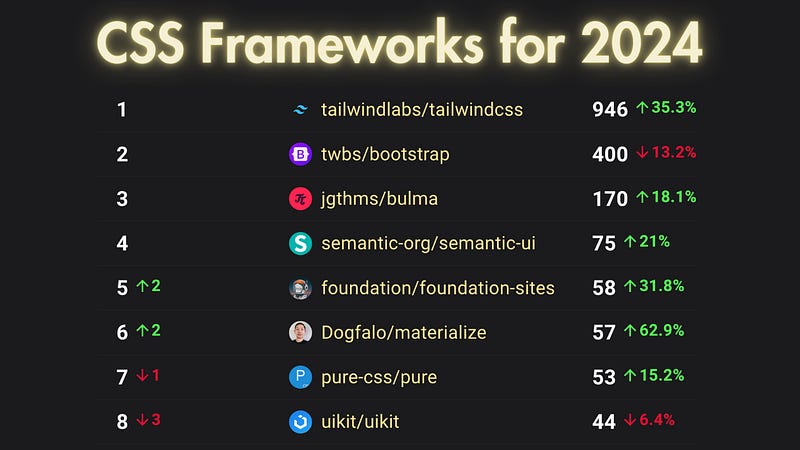
Exploring the Benefits of CSS Frameworks for Modern Web Design
In today's fast-paced digital landscape, utilizing CSS frameworks has become essential for modern web design. These frameworks offer a predefined set of styles and components, allowing developers to build responsive layouts more efficiently. By leveraging features like grid systems and pre-styled UI elements, designers can significantly reduce the time spent on coding styles from scratch. Additionally, popular frameworks such as Bootstrap and Tailwind CSS ensure that websites are not only aesthetically pleasing but also maintain a uniform appearance across various devices and screen sizes.
Another notable benefit of using CSS frameworks is the enhanced maintainability of web projects. With a consistent structure provided by the framework, it becomes easier for teams to collaborate and manage codebases. This structured approach minimizes the likelihood of style conflicts and other design inconsistencies. Furthermore, CSS frameworks often come with comprehensive documentation and support communities, empowering developers to troubleshoot problems quickly and share best practices. Overall, embracing these tools can lead to a more efficient workflow and a polished final product.
How to Choose the Right CSS Framework for Your Next Project
Choosing the right CSS framework for your next project can significantly impact your development speed and the flexibility of your design. Here are some key factors to consider:
- Project Requirements: Assess the specific needs of your project. Are you building a complex web application or a simple landing page? Different frameworks cater to varying complexities and functionalities.
- Learning Curve: Evaluate the ease of use for you and your team. A framework that's difficult to grasp may hinder productivity. Choose one that aligns with your team's existing skills.
Another essential aspect is community support. An active community can provide valuable resources, tutorials, and plugins, ultimately enhancing your workflow. Here are some questions to ask yourself regarding community support:
- Is the documentation comprehensive and up-to-date?
- Are there forums or communities where developers discuss issues and share solutions?
By prioritizing these elements, you ensure that you select a CSS framework that not only meets your project's needs but also fosters an efficient development process.
What Makes CSS Frameworks Essential for Efficient Web Development?
In the fast-paced world of web development, CSS frameworks have emerged as indispensable tools for developers seeking to streamline their workflow. These frameworks offer a pre-designed set of styles and components, enabling developers to create visually appealing websites quickly and efficiently. By utilizing a CSS framework, developers can focus more on functionality and user experience rather than spending countless hours on repetitive styling tasks. Popular frameworks like Bootstrap or Tailwind CSS provide a grid system, built-in responsiveness, and reusable components that significantly reduce development time while ensuring a consistent look across various devices.
Moreover, the adoption of a CSS framework promotes best practices and consistency in coding. Most frameworks come with extensive documentation and community support, which can significantly reduce the learning curve for new developers. With features like modular CSS, theming, and customizable components, developers can easily adapt the framework to meet specific project requirements. This adaptability not only enhances collaboration within teams but also allows for easier maintenance and updates, making CSS frameworks essential for efficient web development.