Top 10 Foods to Fuel Muscle Growth Without the Bloat
When it comes to fueling muscle growth without the bloat, choosing the right foods is essential. Here are the top 10 foods that can help you build muscle effectively while keeping discomfort at bay:
- Lean Chicken Breast: Packed with protein, chicken breast is a staple for muscle building and, when prepared without heavy sauces, helps prevent bloat.
- Eggs: Rich in complete protein and healthy fats, eggs are highly digestible and ideal for muscle repair.
- Quinoa: Unlike many grains, quinoa is gluten-free and offers a complete protein profile, making it a fantastic choice for athletes.
- Greek Yogurt: This creamy delight is not only high in protein but also contains probiotics, which aid digestion and reduce bloating.
- Salmon: Loaded with omega-3 fatty acids, salmon supports muscle recovery and is easy on the stomach.
- Sweet Potatoes: A nutritious source of carbs, sweet potatoes provide energy for workouts without causing bloating.
- Spinach: High in iron and low in calories, spinach helps with muscle oxygenation without adding bulk to your meals.
- Almonds: These healthy fats are satiating and can help prevent overeating, which is a common cause of bloating.
- Berries: Low in sugar and high in antioxidants, berries provide essential nutrients without the risk of bloat.
- Cottage Cheese: High in casein protein, cottage cheese is great for muscle growth, especially when consumed in moderation to prevent bloating.
Understanding Macronutrients: The Key to Building Lean Muscle
Understanding macronutrients is essential for anyone looking to build lean muscle. These nutrients include proteins, carbohydrates, and fats, each serving a unique role in your body’s performance and recovery. Proteins are the building blocks of muscle tissue; they provide the necessary amino acids required for muscle repair and growth. On the other hand, carbohydrates are crucial for fueling workouts and providing energy, while healthy fats support hormone production, including testosterone, which is vital for muscle growth. Balancing these three macronutrients appropriately is key to maximizing your workout results.
To effectively build lean muscle, it is recommended to follow a structured ratio of macronutrients. A common approach is the 40/30/30 ratio, which includes 40% carbohydrates, 30% protein, and 30% fat. This balance not only ensures adequate energy for training but also supports muscle recovery and growth. Remember, tracking your macro intake can significantly enhance your understanding and make adjustments based on your body’s specific needs. By doing so, you put yourself on the right path toward achieving your lean muscle goals.
How to Create a Balanced Meal Plan for Maximum Muscle Gain and Minimal Bloating
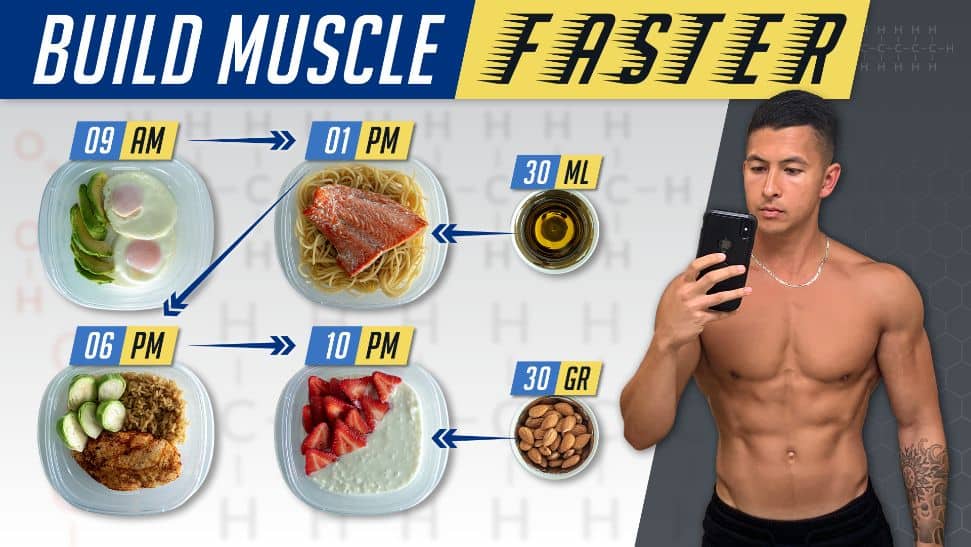
Creating a balanced meal plan for maximum muscle gain and minimal bloating starts with understanding the essential macronutrients. Protein is crucial for muscle repair and growth; aim for sources like chicken, fish, beans, and legumes. Additionally, incorporate healthy fats from sources such as avocados, nuts, and olive oil, which are essential for hormone production and overall health. Lastly, complex carbohydrates like quinoa, brown rice, and sweet potatoes will provide sustained energy without causing bloating. A well-structured meal plan could look like this:
- Breakfast: Scrambled eggs with spinach and whole grain toast
- Lunch: Grilled chicken breast with quinoa and steamed broccoli
- Dinner: Baked salmon with sweet potatoes and asparagus
To maximize muscle gain while minimizing bloating, timing and portion sizes matter. Focus on eating smaller, frequent meals throughout the day. This approach can help in better digestion and nutrient absorption. Make sure to include a variety of foods to ensure you're getting all the necessary vitamins and minerals, which can further enhance recovery and muscle growth. Also, consider incorporating fermented foods like yogurt and sauerkraut to improve gut health, as a healthy digestive system can significantly reduce bloating. Keep track of how your body reacts to different foods and adjust your meal plan accordingly.